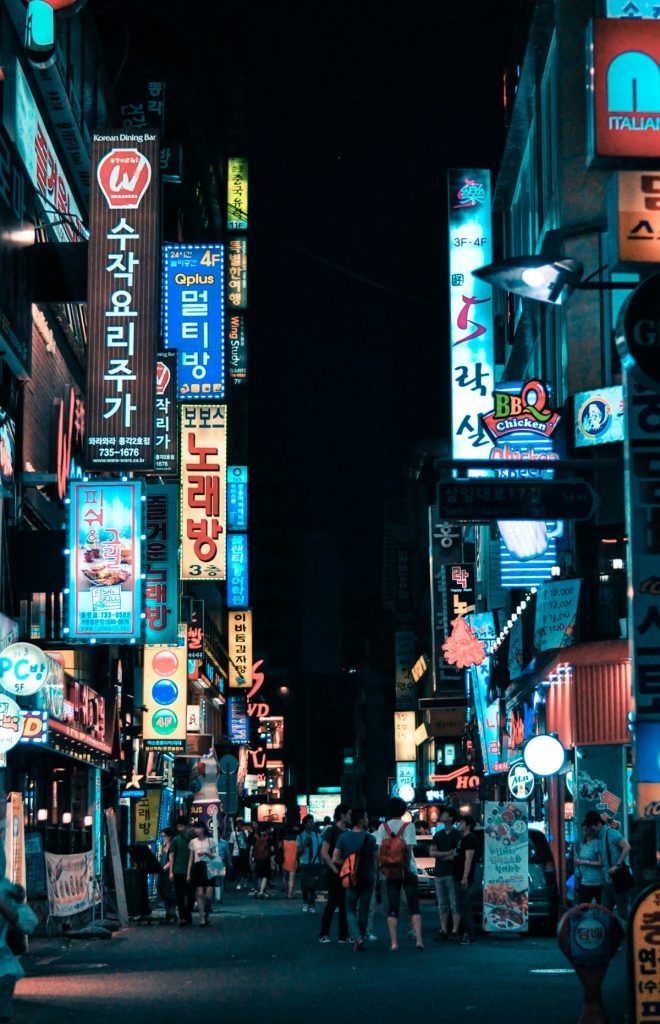
Seoul offers an incredible student experience with its perfect blend of modern amenities and rich cultural heritage. This guide covers everything from finding affordable accommodation to navigating the efficient subway system. Discover the best neighborhoods, budget-friendly dining options, and must-visit spots for students.
Getting Around: Subway, Buses and T-money
Seoul's subway is one of the best in the world — clean, punctual and signposted in English. Buy a T-money card at any convenience store, top it up with cash and use it on subways, buses and even taxis. Transfers between subway and bus within a short window are discounted. Apps such as Naver Map and KakaoMap are far more accurate than other map apps in Korea, so install one on day one.
Best Neighbourhoods for Students
Sinchon and Hongdae
Close to Yonsei, Sogang, Ewha and Hongik, these areas are full of affordable restaurants, cafés, bookstores and live music. Lively but noisy — great for social students.
Anam and Hoegi
Around Korea University and Kyung Hee, these neighbourhoods offer cheaper rooms and a quieter, student-focused atmosphere.
Gwanak (Nokdu and Seoul National University area)
Home to SNU, Gwanak has some of the city's most affordable rooms and a strong study culture.
Itaewon
The most international area of Seoul, home to Seoul Central Mosque, halal restaurants and halal grocery stores. Many Pakistani students visit regularly even if they live elsewhere.
Eating Well on a Budget
Campus cafeterias serve full meals for a few thousand won, and convenience stores sell inexpensive lunch boxes. Traditional markets such as Gwangjang and Mangwon offer cheap fresh produce. For halal food, Itaewon has Pakistani, Indian, Turkish and Middle Eastern restaurants, while large supermarkets increasingly stock halal-certified meat. Cooking with friends is both economical and a great way to share your culture.
Studying in the City
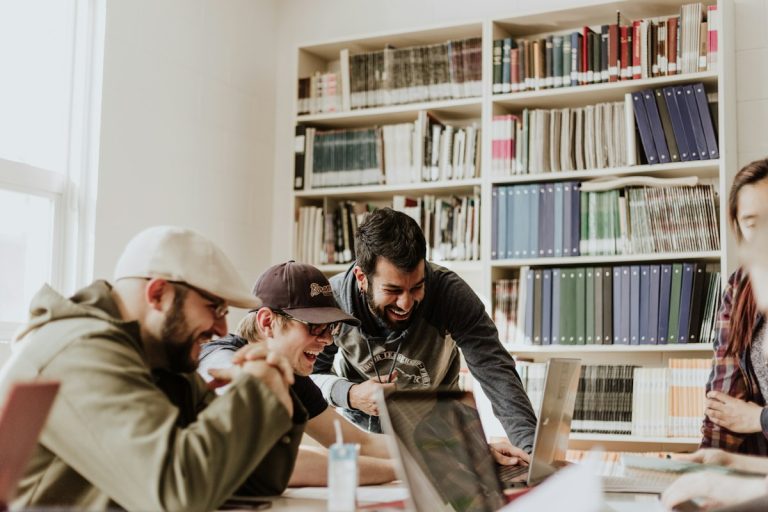
Seoul is built for students. Study cafés open late or around the clock, university libraries are spacious and free Wi-Fi is everywhere. Many students choose a favourite café or library seat for exam season. Joining study groups with Korean classmates is a good way to improve both grades and language skills.
Free and Low-Cost Things to Do
- Walk the Cheonggyecheon stream and the old city walls on Bukhansan and Naksan
- Picnic or cycle along the Han River parks, especially in spring and autumn
- Visit Gyeongbokgung Palace and Bukchon Hanok Village — palace entry is discounted, and often free in traditional dress
- Explore free national museums such as the National Museum of Korea
- Watch the city lights from Namsan Seoul Tower's park area
Seasons and What to Pack
Seoul has four distinct seasons. Summers are hot and humid with a rainy season around July, while winters can drop well below zero. Bring layers and a quality winter coat — or buy one locally, where they are affordable during sales. Spring cherry blossoms and autumn leaves are the most beautiful times to explore.
Staying Safe and Healthy
Seoul is one of the safest major cities in the world, but normal precautions still apply. Register your address with immigration, keep your health insurance active and save emergency numbers: 112 for police and 119 for fire and ambulance. Many hospitals near universities have international clinics with English-speaking staff.
Life in Seoul is fast-paced, exciting and full of opportunities. Our pre-departure guidance at Mubashir Education Consultancy covers neighbourhoods, transport, banking and everyday life, so you can settle in quickly and make the most of your student years.